Skip to contentSkip to footer


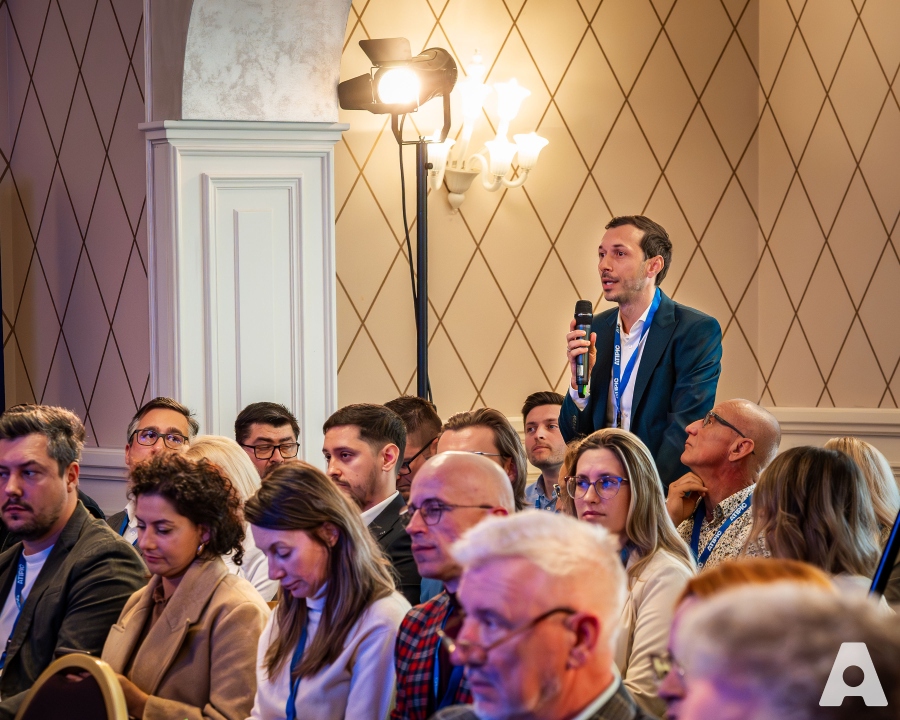
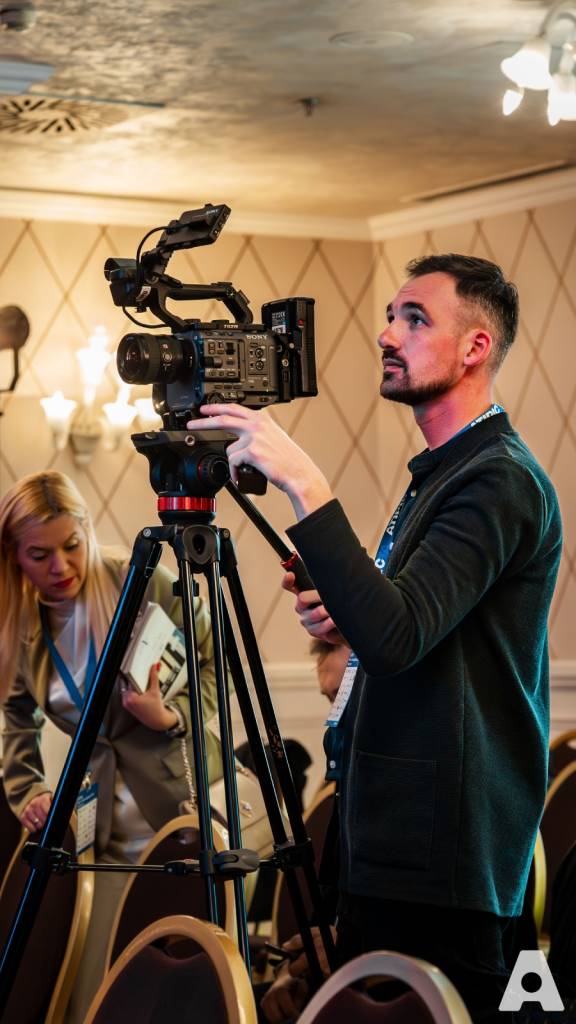
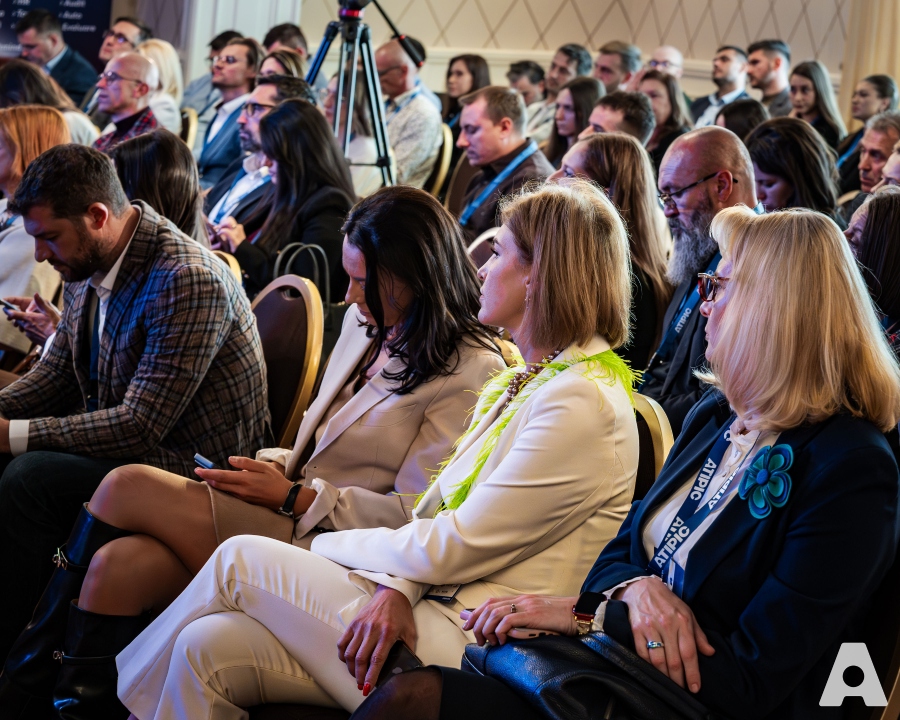
What opportunities do Romanian companies have in international markets, what are the real obstacles, and how can European trade policies be translated into concrete results for the business community? These were some of the questions discussed on October 16, 2026, in Iași, during the ATIPIC International conference, EU Trade Policy & Moldova Export Stories.
Organized by the ATIPIC Entrepreneurial Community and the Iași Chamber of Commerce and Industry, with the support of the Suceava and Vaslui Chambers of Commerce and Industry, the event took place at Palas Congress Hall, Mozart Hall, as a partner event organized within the framework of the European Commission’s Trade Policy Day 2026.
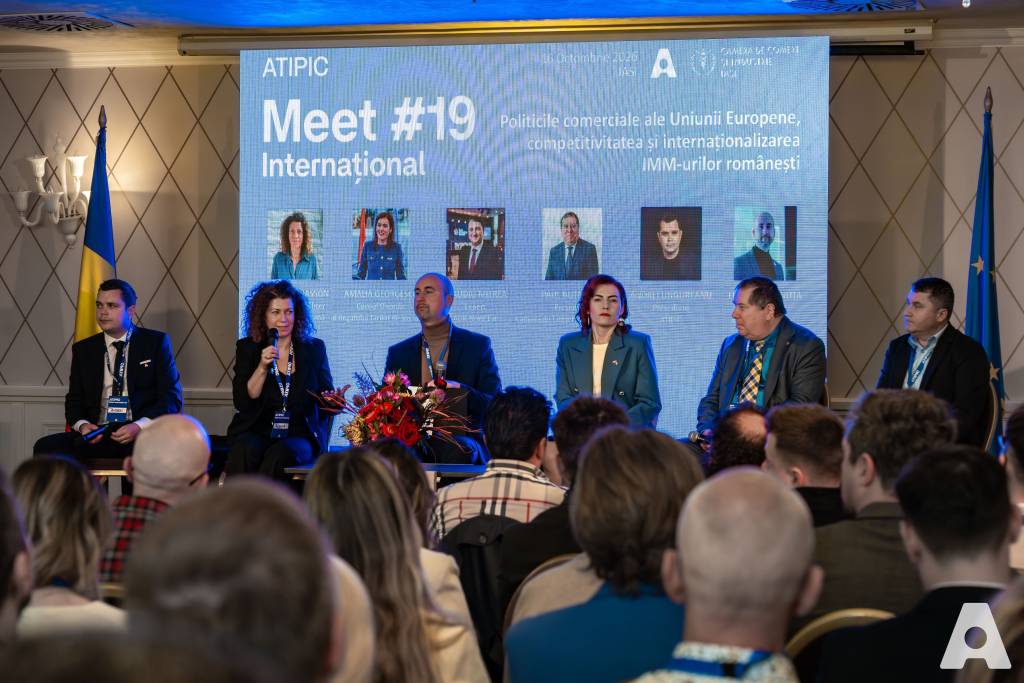
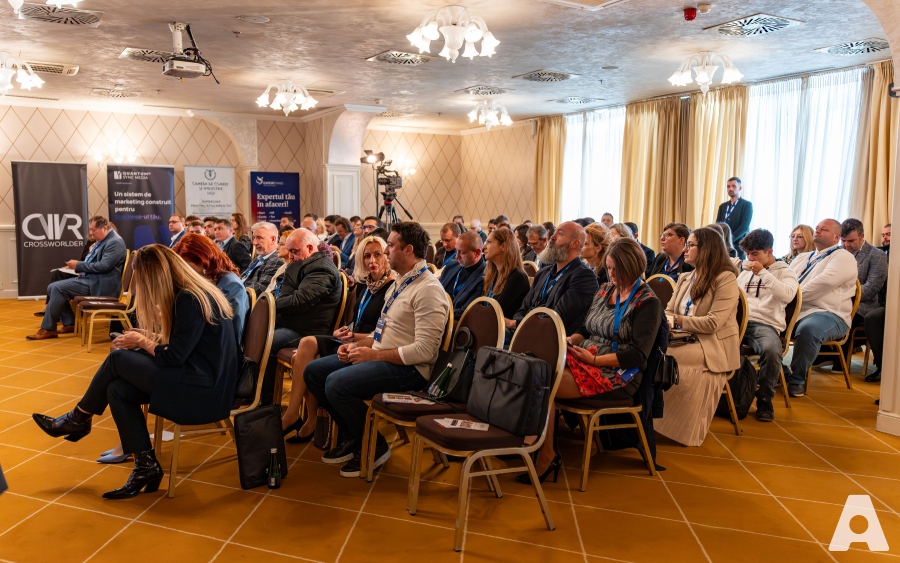
The conference brought together representatives of European institutions, regional organizations, and companies with export experience, in a format built around two complementary perspectives: the European Union’s trade instruments and policies, and the practical experiences of companies that have successfully entered international markets.
Through this initiative, ATIPIC aimed to help connect the business community in the Moldova region with the opportunities offered by international trade.
Iași, Part of the European Dialogue on Trade
An important moment of the conference was the video message delivered by Maroš Šefčovič, European Commissioner responsible for Trade and Economic Security.
This highlighted the importance of the EU Trade Champions network and of events organized in several European cities, including Iași, in bringing the European Union’s trade policies closer to citizens and businesses.
The message addressed the role of trade agreements, the need to diversify economic relations, the resilience of supply chains, and the importance of protecting European interests against unfair trade practices.
Iași’s inclusion in this European initiative also provided an opportunity to highlight the economic potential of the North-East region.
At the opening of the conference, Andrei Ungureanu, President of the ATIPIC Entrepreneurial Community and a member of the EU Trade Champions network, emphasized that the Moldova region should be viewed not only in terms of its economic disparities, but also through its development opportunities.
ATIPIC’s message focused on collaboration: entrepreneurial communities, institutions, and companies can work together to build initiatives that support the development and internationalization of local businesses.
Flavia Ferrason, DG TRADE: Trade Agreements Must Become Real Opportunities for SMEs
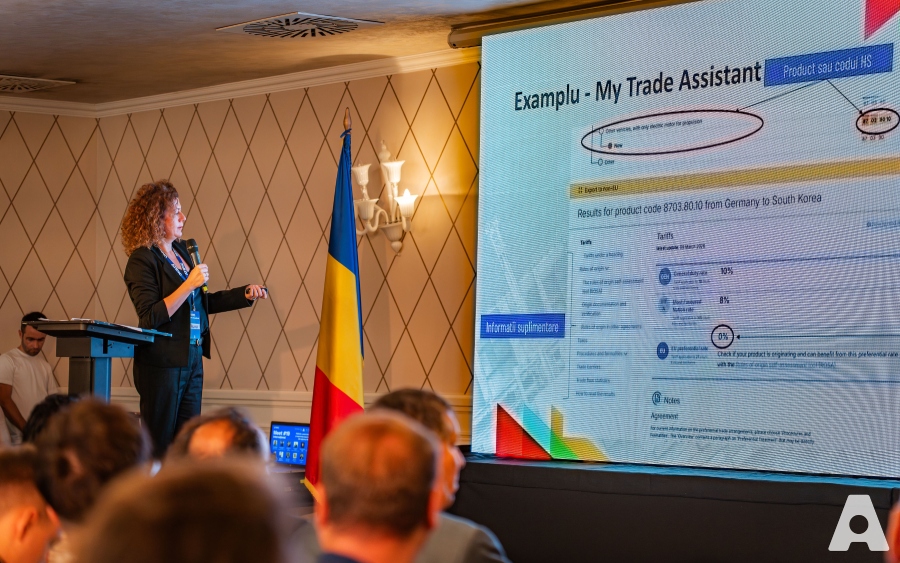
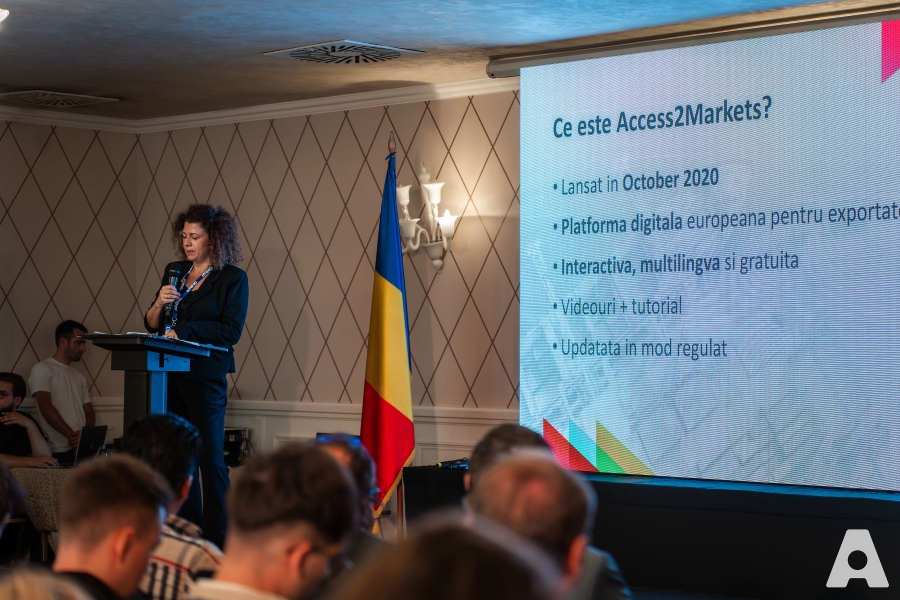
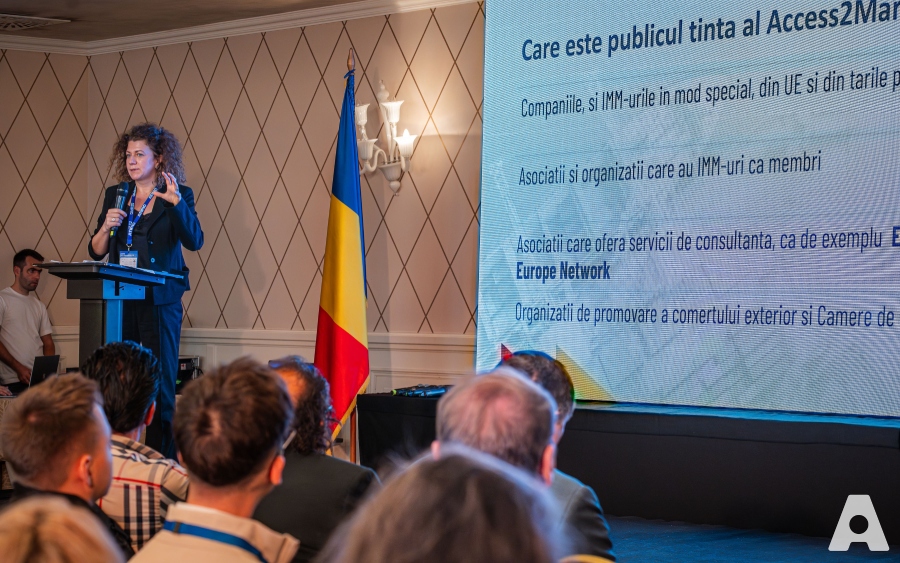
The conference’s special guest, Flavia Ferrason, Trade Policy Officer at the European Commission’s Directorate-General for Trade and Economic Security, presented the tools through which European companies can benefit from the trade agreements concluded by the European Union with countries outside the Single Market.
In her presentation, she explained that trade agreements can reduce or eliminate customs duties, facilitate access to international markets, and create more predictable trading conditions.
However, the existence of these agreements does not guarantee that companies will actually make use of them.
One indicator presented was the Preference Utilisation Rate. According to the data presented during the conference, Romania’s rate was approximately 76%, indicating that some eligible exports do not benefit from the available preferential tariff treatment.
Possible explanations discussed included insufficient awareness and the complexity of the required documentation.
Access2Markets – A Tool for Companies Looking to Export
An important focus was placed on the European Access2Markets portal, which is available free of charge to companies interested in international trade.
Through the portal, entrepreneurs can identify:
- Customs duties and tariffs applicable to exported products.
- Administrative requirements and required documentation.
- Rules of origin for obtaining preferential tariff treatment.
- Relevant trade information and statistics for selecting international markets.
- Opportunities and requirements related to trade in services and certain public procurement procedures.
Flavia Ferrason also presented the My Trade Assistant and ROSA – Rules of Origin Self-Assessment tools, as well as the training opportunities available free of charge.
For personalized support, entrepreneurs were encouraged to turn to the Enterprise Europe Network, chambers of commerce, and other organizations within the SME support ecosystem.
Resources dedicated to markets such as Japan and China were also mentioned, along with European information services on intellectual property.
Main conclusion: access to information is the first step toward internationalization, but it must be complemented by guidance and access to partners who can turn information into commercial opportunities.
Trust and Long-Term Relationships: Amalia Georgescu’s Perspective
Amalia Georgescu, Honorary Consul of the Kingdom of the Netherlands in Iași and entrepreneur, highlighted the importance of trust-based relationships in developing international partnerships.
Drawing on her experience with Romanian-Dutch economic cooperation, she emphasized that companies from the Netherlands value the quality of products and services, compliance with standards, and the development of long-term business relationships.
In her view, Romanian companies need to invest more in preparing for international markets, analyzing the economic environment, and developing partnerships that go beyond the logic of a single transaction.
Another important message focused on changing perceptions of the Moldova region.
Iași and the North-East region should not be viewed exclusively as peripheral areas of the European Union, but also as hubs for innovation, technological development, and international collaboration, including through their proximity to the Republic of Moldova and Ukraine.
North-East RDA: Innovation, Collaboration and Regional Development Opportunities
Claudiu Mitrea, an expert at the North-East Regional Development Agency, presented the institution’s role not only as a funding provider, but also as a facilitator of collaboration between companies, institutions, and European organizations.
One concrete example was the Enterprise Europe Network, through which companies can receive support in defining their objectives, identifying partners, and participating in international projects.
He presented the case of a company from the region that started with three project ideas, one of which secured funding in the agri-food sector, while consortia were developed and funding solutions were explored for the other two.
Another topic was the region’s preparation for the economic opportunities associated with the reconstruction of Ukraine.
Initiatives related to the development of industrial parks were mentioned, as well as the BRIDGE project, carried out together with the World Bank to analyze the region’s economic potential.
At the same time, Claudiu Mitrea emphasized the importance of smart specialization and collaboration with universities in developing higher value-added products and services.
His message to entrepreneurs was that innovation does not exclusively mean inventing new products, but also improving existing ones and developing more competitive solutions.
Iași Chamber of Commerce and Industry: Internationalization Must Become a Regional Priority
Paul Butnariu, President of the Iași Chamber of Commerce and Industry, highlighted the county’s economic potential, as well as the challenges companies face in the internationalization process.
In his remarks, he drew attention to the large number of micro-enterprises in the county, regional disparities in attracting foreign investment, and the need to diversify export markets.
The discussion also covered economic opportunities associated with the Republic of Moldova, Ukraine, Turkey, and the Middle East—markets where Romanian companies could leverage geographical proximity, trade relations, and accumulated professional experience.
Challenges related to taxation and the capitalization of micro-enterprises were also highlighted, along with access to certain information about exporting companies.
The Iași Chamber of Commerce and Industry reaffirmed its willingness to support the business community through information, connections, and the identification of commercial opportunities.
Exporters: Perspectives on International Markets
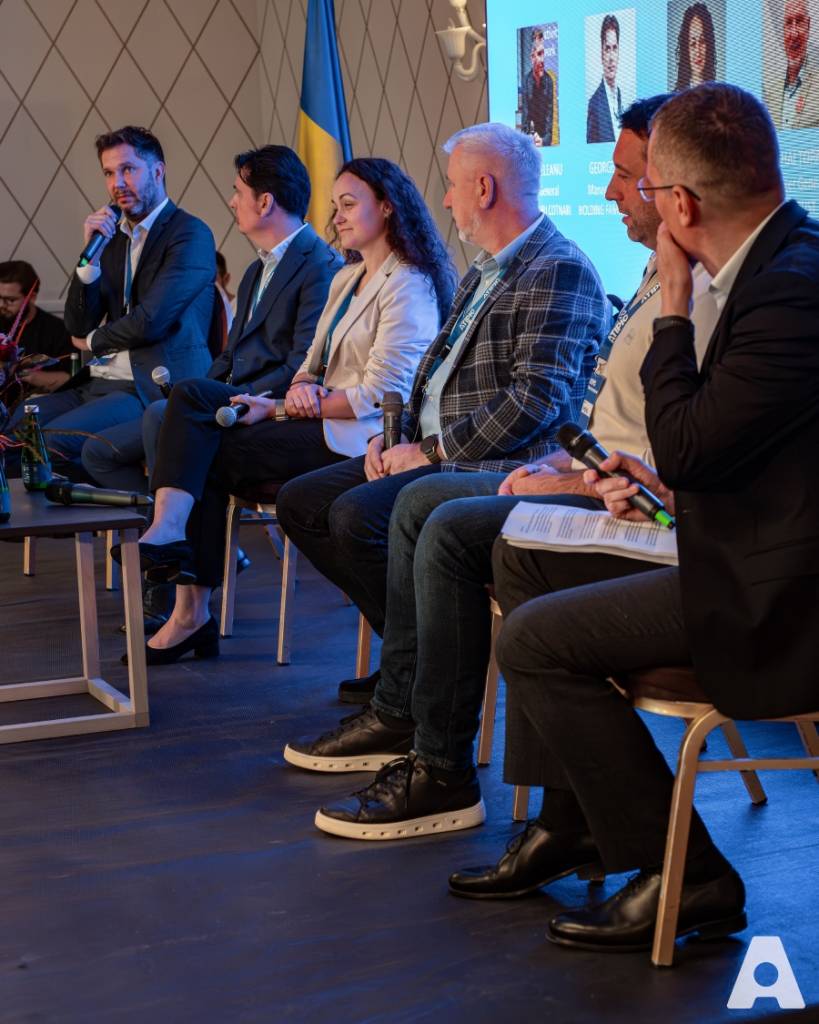
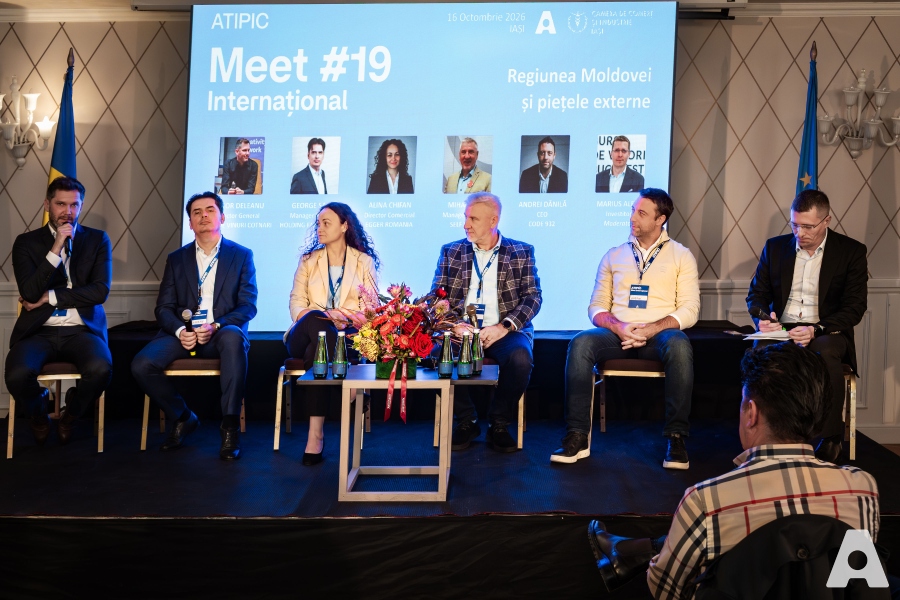
The second panel, moderated by Marius Alexe, brought to the forefront the experiences of companies operating in different sectors: the wine industry, food industry, manufacturing of materials for furniture and construction, industrial automation, and IT services.
Through the examples presented, participants were able to understand that there is no single formula for internationalization.
Casa de Vinuri Cotnari: The Challenge of Building a Romanian Brand in International Markets
Victor Deleanu, General Manager of Casa de Vinuri Cotnari, presented the company’s evolution and how it adapted its strategy for international markets.
Exports targeting Romanian communities abroad represented an initial direction for growth. Later, the challenge became attracting international consumers who were not necessarily familiar with Romanian wine brands and grape varieties.
One significant obstacle was Romania’s relatively low recognition as a wine-producing country in international markets.
Rather than pursuing a strategy based exclusively on low prices, the company is focusing on developing premium segments and products that can attract consumers interested in quality and differentiation.
Cotnari’s experience shows that exporting involves not only identifying a distributor, but also building a relevant positioning strategy for each market.
Familia Safir: Adapting the Product to Market Requirements Can Change the Direction of a Business
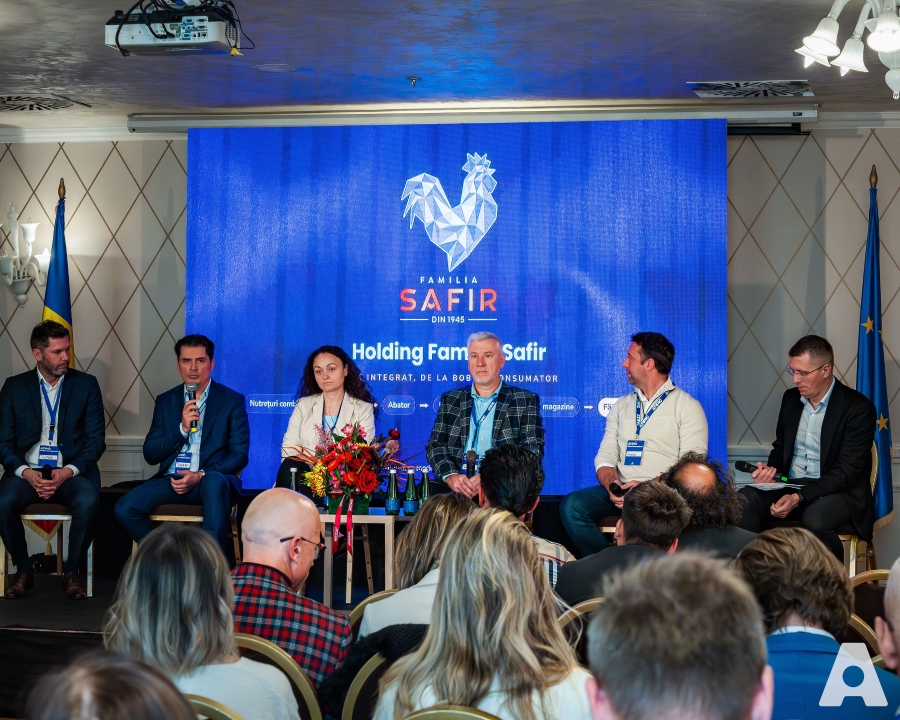
George Safir, General Manager of Familia Safir Holding, presented the journey of a group of companies with a strong entrepreneurial tradition, which has developed operations in the poultry industry and the processing of by-products.
According to the data presented during the conference, the group had a turnover of approximately €85 million, of which around €25 million came from exports.
One relevant case study focused on the Netherlands market.
The company developed a product adapted to the requirements of this market: slow-growing chicken, certified according to the system required by its commercial partners.
George Safir explained that success did not come from trying to sell an unchanged Romanian product, but from understanding the demand and standards of the target market.
Building trust was equally important. The business relationship with the Dutch partners developed before the contractual agreement was formalized, and the collaboration has continued for several years.
This experience highlights the role of adaptation, certification, and long-term relationships in exporting.
EGGER Romania: From Rădăuți to Approximately 50 Countries
Alina Chifan, representative of EGGER Romania, presented the evolution of the Austrian group’s investment in Rădăuți, which began in 2006.
The company gradually developed industrial capacities for the production of particleboard, OSB, adhesives, and the processing of recyclable materials.
According to the presentation, products manufactured in Rădăuți reach approximately 50 countries, with the company managing a portfolio of more than 300 active customers.
An important aspect of its development is the circular economy. The company presented its investments in collecting recyclable wood materials and using biomass to cover a significant share of its energy needs.
However, the discussion also highlighted logistical challenges.
Alina Chifan gave the example of transportation costs from Rădăuți to the Port of Constanța, which, under certain commercial conditions presented, can considerably exceed the cost of maritime transport over much greater distances.
Despite these challenges, the company has continued to adapt, identify new markets, and capitalize on the region’s competitive advantages.
Another important element has been its collaboration with universities through long-term internship programs for students.
SELF TRUST: Romanian Engineering and Automation Exported Beyond the European Union
Mihai Țopa, General Manager of SELF TRUST, presented the journey of a Romanian company specializing in automated conveyor systems and industrial equipment.
Building on expertise developed in the domestic market, SELF TRUST expanded its operations to international projects, including in North Africa and the Middle East, destinations that account for a significant share of the company’s exports.
The development of the CIT Conveyor brand, investments in industrial research, and participation in international trade fairs have contributed to this journey.
The company also explained how it manages complex technical projects for customers located far away.
The equipment is assembled and tested before delivery to reduce risks and installation difficulties at the destination. Modern systems also enable remote connectivity and technical support.
SELF TRUST’s experience demonstrates that Romanian companies can compete internationally through engineering, research, adaptability, and the quality of the solutions they provide.
Code932: Exporting Services, Technology and International Investment
Andrei Dănilă, CEO of Code932, presented the evolution of a Romanian technology company with approximately two decades of experience, which has spent much of that time working for international markets.
The company has expanded its activities beyond traditional software development services, providing technology partnership services for business growth and technical audits for investment funds.
One example presented was the development of digital solutions that supported Cotnari’s commercial activities and exports.
At the same time, Andrei Dănilă announced the company’s expansion into the United Kingdom through its own investment and the development of a local team.
In his remarks, he highlighted the pressure placed on IT companies to move away from outsourcing in favor of exclusively developing their own products.
His message was that there are several viable business models and that growth should be built around each company’s capabilities, resources, and objectives.
Another topic discussed was artificial intelligence and the transformation of how technology companies organize their operations.
Sustainability and Standardization: Challenges, but Also Competitive Opportunities
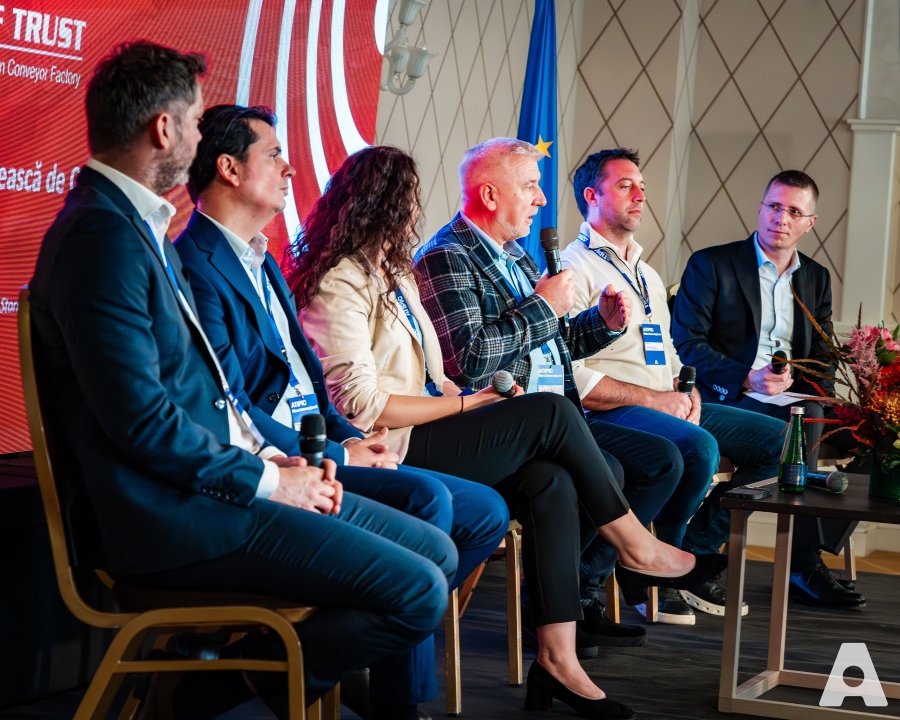
During the Q&A session, participants also discussed the impact of environmental requirements, international standards, and digitalization on exporters’ competitiveness.
Representatives of EGGER and Familia Safir presented investments in energy efficiency, renewable energy, the circular economy, and the modernization of production processes.
In the case of Familia Safir, the processing of slaughterhouse by-products into protein meals was presented as an example of transforming an operational challenge into an economic activity.
Another topic discussed was the role of certifications.
Although implementing standards can involve significant costs and effort, company representatives explained that they help clarify processes, increase efficiency, and strengthen trust in business relationships.
The digitalization of quality documentation, integrated management systems, and the use of artificial intelligence were mentioned as ways in which companies are seeking to manage these requirements more efficiently.
A Less Discussed Challenge: Insurance and Guarantees for International Contracts
One of the relevant topics raised during the dialogue with participants concerned access to insurance for international projects and contracts.
Representatives of companies in the IT and industrial automation sectors described difficulties in finding certain insurance products on the Romanian market that are required by international partners.
In some cases, companies turned to partners or entities in the United Kingdom to obtain solutions tailored to project requirements.
The discussion highlighted that internationalization depends not only on product competitiveness or the existence of demand, but also on the financial services and contractual protection available to exporters.
Flavia Ferrason raised the possibility of exploring European financing and guarantee instruments, including through relevant European institutions and programs.
This topic deserves further exploration in future meetings dedicated to companies developing projects in international markets.
From a Conference to Ongoing Regional Collaboration
Beyond the presentations and examples, ATIPIC International highlighted the need for closer collaboration between institutions, entrepreneurial communities, and companies with international experience.
Several important directions emerged during the discussions: facilitating SMEs’ access to information about international markets, making use of European tools, identifying business partners, supporting companies at the beginning of their internationalization journey, and promoting the experiences of exporters from the region.
For the ATIPIC Entrepreneurial Community, the event also represented a step toward developing new forms of collaboration.
In his remarks, Andrei Ungureanu proposed connecting entrepreneurial communities and developing joint initiatives through which information and experiences could circulate more easily between companies.
The basic idea is simple: a community can contribute to business development not only through networking, but also by providing access to information, partnerships, examples, and concrete opportunities.
What Comes Next After ATIPIC International?
The conclusions of the conference will be used in the dialogue with DG TRADE and institutional partners to identify possible follow-up actions.
Potential directions to explore include practical workshops on using European trade agreements, meetings between experienced exporters and companies at the beginning of their export journey, promoting the Access2Markets and Enterprise Europe Network tools, as well as initiatives dedicated to accessing markets outside the European Union.
The experiences presented in Iași show that the Moldova region has expertise in industry, agriculture, technology, and services, as well as entrepreneurs who have demonstrated their ability to build international business relationships.
The challenge is to make these examples more visible and turn them into opportunities for other companies.
ATIPIC International aimed to bring together the people who shape policies, those who provide support, and those who apply these mechanisms in their own businesses.
We would like to thank all the speakers, participating companies, institutional partners, and community members who contributed to making this event possible.
We will continue connecting people, experiences, and ideas to support the development of the entrepreneurial community in the Moldova region.
ATIPIC Entrepreneurial Community
Connecting people and ideas for success.